Published
A French director watched Agnyaathavaasi in Paris. Then the copyright fight got worse
T-Series sent a rights notice before release. After watching the film, Largo Winch director Jérôme Salle publicly alleged copying and said a reported T-Series settlement did not resolve his own objection.
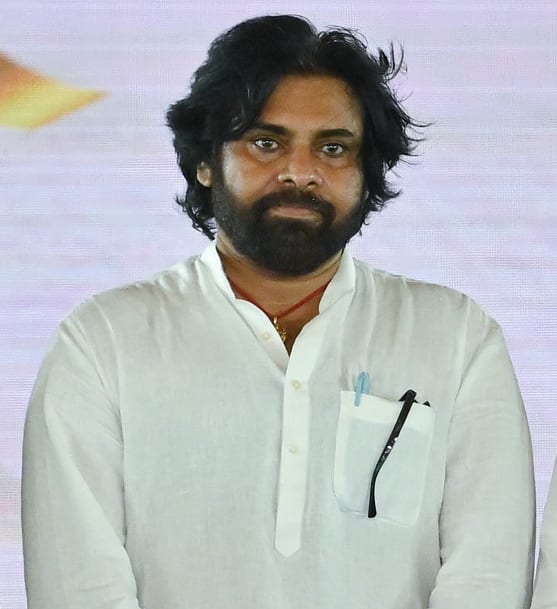
The Agnyaathavaasi copyright controversy began before the movie opened.
Then the director of the French film it was accused of resembling actually watched it.
That made the problem harder to dismiss as internet comparison culture.
In late 2017 and early January 2018, speculation spread that Trivikram Srinivas’s Pawan Kalyan film shared its core plot with Largo Winch, Jérôme Salle’s 2008 French adaptation of the Belgian comic series.
T-Series, which said it held remake rights to the French film in India, sent a notice and began examining whether its rights were implicated.
Agnyaathavaasi still opened on January 10.
After seeing it, Salle publicly alleged that the similarities amounted to unauthorized copying.
The key word for Chitram is alleged.
Rights ownership made this more than a side-by-side meme
The Indian Express reported on January 1 that a T-Series source confirmed the company held rights connected to Largo Winch and was checking with Agnyaathavaasi’s producers over possible infringement and the required procedure.
That moved the story into a formal rights context.
The two premises had an obvious high-level resemblance: a powerful businessman dies and an heir living away from the empire returns into a struggle over succession and the father’s death.
A resemblance in premise alone does not allow Chitram to declare legal plagiarism.
Copyright analysis depends on protectable expression, contractual rights, jurisdiction and details not resolved by a plot summary.
This account therefore tracks what the parties did and said.
Jérôme Salle went from curious to accusatory
Before Agnyaathavaasi opened, Salle publicly said he was curious enough to watch the Telugu film.
Forbes reported that after the release he said he was convinced it was an unauthorized copy of his film. The Forbes writer explicitly noted that he had not personally seen both works and could not independently adjudicate the claim.
That qualification is useful.
Chitram is in the same position.
It can report Salle’s allegation without pretending to be the court.
A reported settlement did not end the argument
By January 22, The Indian Express reported that the Agnyaathavaasi team and T-Series appeared to have reached a settlement or compromise.
But Salle publicly said a T-Series settlement was not enough for him because the Telugu film had been released internationally.
This created an unusual split.
One rights-holder dispute was reportedly being resolved commercially, while the French filmmaker continued to object publicly to the worldwide use of material he believed came from Largo Winch.
Settlement terms are not established here.
Contemporaneous outlets circulated figures and details that were not consistently sourced, and the amount remains unresolved.
Pawan Kalyan was the star, not the author of the disputed screenplay
Genesis links Agnyaathavaasi to Pawan Kalyan, Keerthy Suresh and director Trivikram Srinivas.
That makes it important to keep responsibility precise.
The plagiarism allegations concerned the film’s story and filmmaking, not an allegation that Pawan Kalyan personally copied a screenplay.
Entertainment coverage often attaches controversy to the most famous face because the headline performs better.
Chitram should attach claims to the people who actually made or received them.
The film’s failure intensified attention but is a separate question
Agnyaathavaasi also performed poorly relative to its expectations.
The Indian Express reported severe distributor losses in its later coverage of the copyright dispute.
That commercial disappointment may have intensified the public postmortem, but it does not prove or disprove the copying allegation.
A hit can infringe copyright.
A flop can be entirely original.
Those are different evidence tracks.
The international part is what makes this matter
Telugu cinema had long borrowed, adapted and remade stories across languages, sometimes officially and sometimes informally.
By 2018, the industry’s distribution footprint was much more global. A high-profile Telugu release could be watched quickly by filmmakers and rights-holders thousands of kilometres away.
The New Indian Express later used the controversy to argue that wider international visibility was making uncredited “inspiration” harder to ignore.
That broader observation is useful without turning Agnyaathavaasi into a verdict.
The documented history is enough:
a rights-holder sent notice; a French filmmaker watched the Telugu release and publicly alleged copying; a settlement with T-Series was reported; Salle said the issue was not finished.
Chitram does not need to decide the case.
It needs to preserve who said what, and what happened next.
In the database
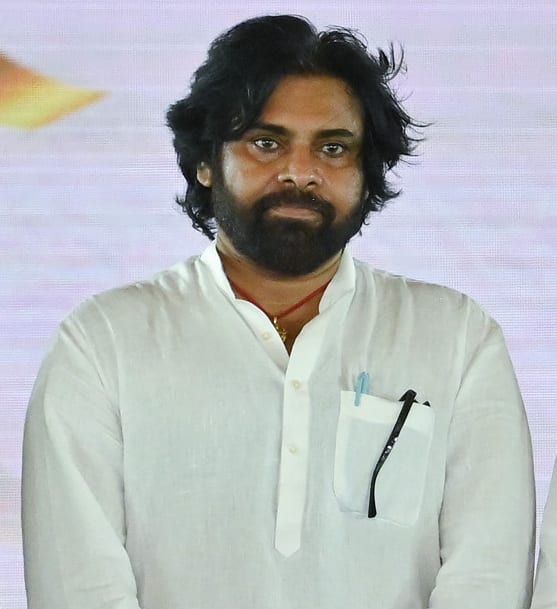
Pawan Kalyan
Subject of this story

Keerthy Suresh
Mentioned in this story
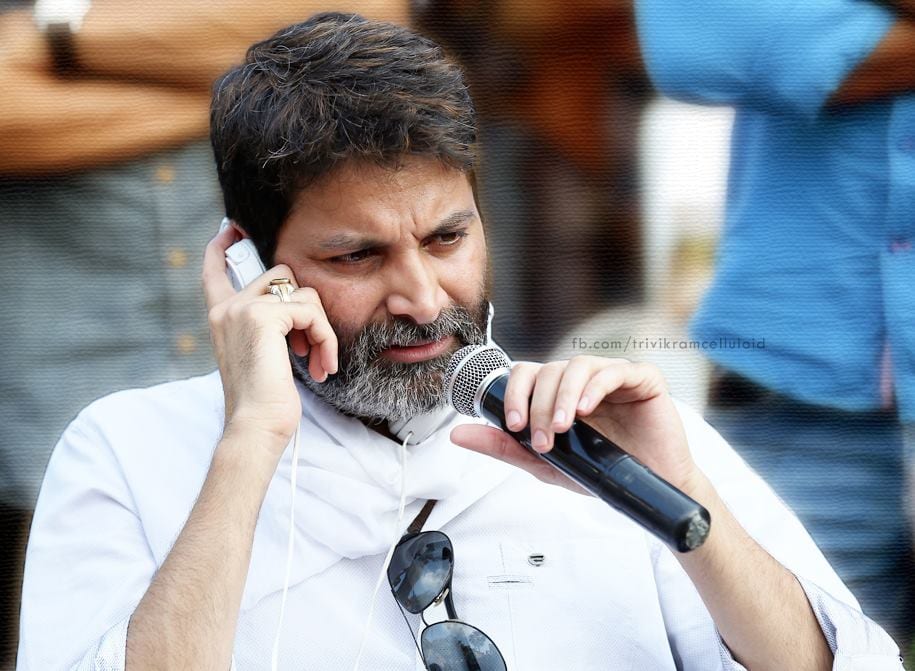
Trivikram Srinivas
Mentioned in this story
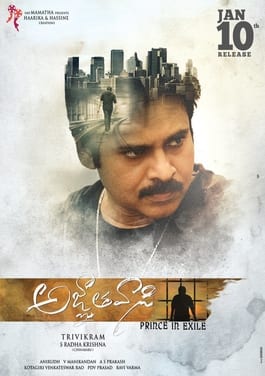

_(cropped).jpg)


Subject of this story
Source evidence
The Indian Express
Retrieved 14 September 2026 · original observation preserved
Source evidence
The Indian Express
Retrieved 14 September 2026 · original observation preserved
Source evidence
The Indian Express
Retrieved 14 September 2026 · original observation preserved
Source evidence
Wikipedia
Retrieved 14 September 2026 · original observation preserved
Source evidence
Wikipedia
Retrieved 14 September 2026 · original observation preserved
Source evidence
Wikipedia
Retrieved 14 September 2026 · original observation preserved
Image provenance
Prime Minister's OfficePublication eligibility is controlled by its recorded rights decision.