Published
Fidaa travelled because Sekhar Kammula refused to sand Telangana out of the romance
Bhanumathi’s home, dialect and refusal to migrate are not local colour around Fidaa’s love story. They are the reason the love story has a conflict at all.
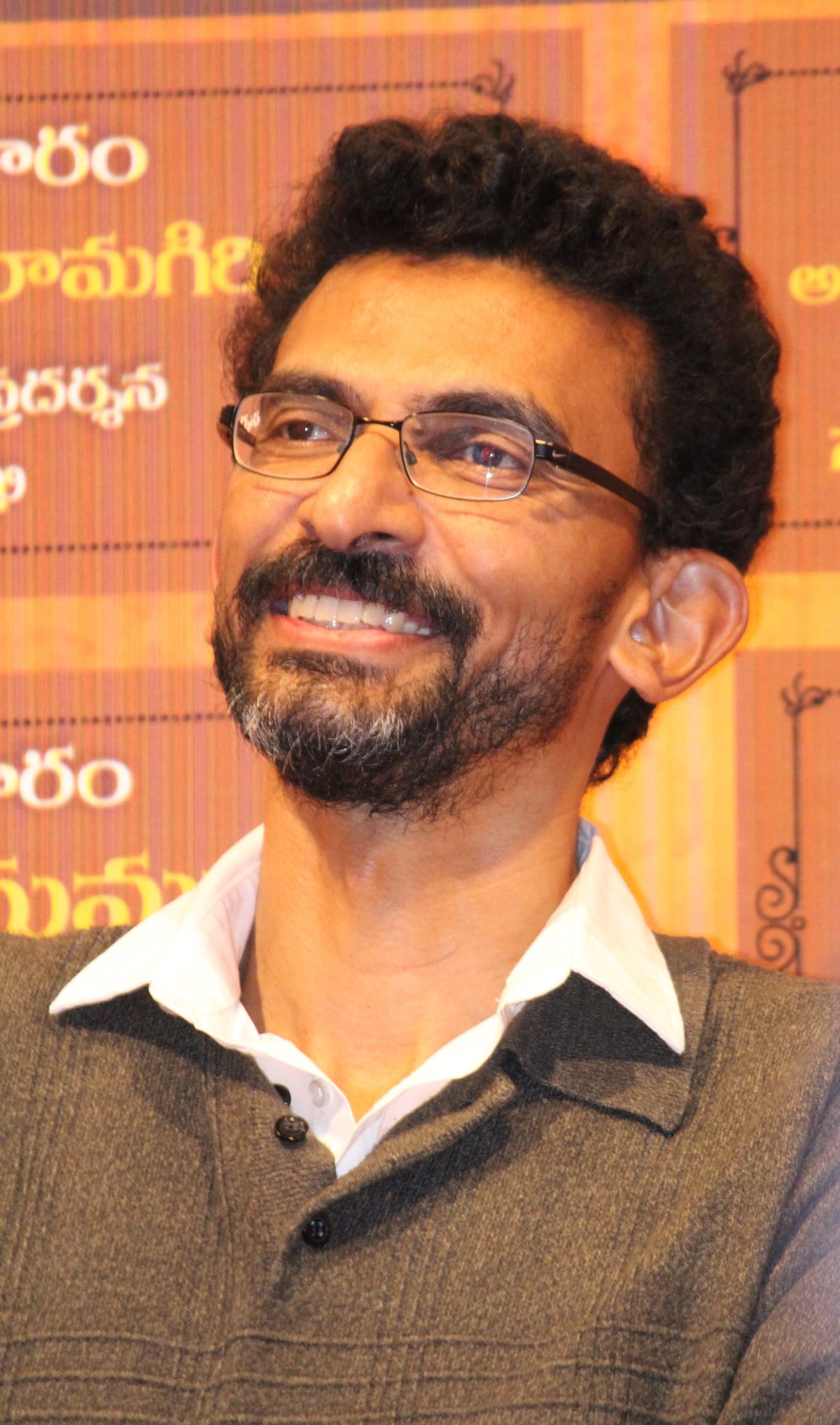
Sekhar Kammula began Fidaa with a question that sounds almost too small to shape an entire hit film:
Why did Telugu village romances keep returning to the same kinds of places?
Kammula had written an NRI love story and initially explored a different casting path. As he developed it, he decided the woman at the center should come from Telangana, specifically the Banswada world that became Bhanumathi’s home.
That choice affected almost everything.
The language changed.
The geography changed.
The balance of power in the romance changed.
And Sai Pallavi, a Tamil-speaking actor entering Telugu cinema, had to learn enough Telangana-inflected Telugu to perform and dub the character herself.
Fidaa works as a director story because the regional specificity is not decoration.
It is the mechanism of the romance.
Bhanumathi’s refusal creates the plot
Many commercial romances built around an India–United States contrast treat migration as the natural prize.
The character abroad represents opportunity. The character at home eventually leaves.
Fidaa complicates that assumption.
Bhanumathi does not want to abandon her father, her land or her life in Telangana simply because the man she loves imagines his future in the United States.
Kammula told The News Minute that while developing the love story, his team searched for a setting that had not been repeatedly used in mainstream Telugu films. Telangana became the answer.
The conflict then grew organically from the place.
Bhanumathi is not “traditional” because a screenplay needs an obstacle.
She has a concrete life she values.
The dialect had to belong to the character
That decision created a practical casting problem.
Sai Pallavi had become widely known through Malayalam cinema and did not arrive with fluent Telangana Telugu.
Cinema Express reported before release that she learned the diction and dubbed her own lines.
Later reporting has described the preparation in greater detail, but the contemporaneous fact is enough: the voice the audience hears belongs to the performer.
For Kammula, that matters because Bhanumathi’s speech is part of her authority.
A generic dubbed voice could have weakened the connection between the actor’s physical performance and the character’s regional identity.
Kammula returned after a three-year gap by going more specific, not broader
In a pre-release interview with The New Indian Express, Kammula said he had taken significant time to write and execute the film the way he wanted.
The script had at one stage been conceived with Mahesh Babu in mind before the project took its eventual form with Varun Tej.
That evolution is useful.
Fidaa could have become a star-centered romance with Telangana functioning as scenery.
Instead, the final film makes Bhanumathi the gravitational center.
The Indian Express’s box-office report two weeks after release explicitly described the plot as revolving around her.
The market rewarded the specificity
The Indian Express reported ₹60 crore worldwide in two weeks, making Fidaa the biggest grosser of Kammula’s career at that point.
Its U.S. distributors also said it was approaching the $2 million mark.
Those are external publication/distributor figures, not Genesis box-office claims.
Genesis gives Chitram cleaner structured links: Sekhar Kammula as director, Varun Tej and Sai Pallavi as actors, and the 2017 movie entity.
The financial reporting simply demonstrates that a highly local voice did not prevent the film from travelling.
“Regional” and “universal” were not opposites
That is the filmmaking lesson worth preserving.
Fidaa does not become accessible by sanding away Telangana.
It becomes accessible through a conflict audiences can understand precisely because the two lives are drawn clearly.
Varun’s American future is specific.
Bhanumathi’s Telangana attachment is specific.
Love cannot solve the story until one person changes the assumptions attached to those places.
The result also shaped Sai Pallavi’s Telugu identity
Fidaa was Sai Pallavi’s Telugu breakthrough, and Bhanumathi became one of the roles most closely associated with her.
But this is deliberately not a second Sai Pallavi career piece. Batch 02 already contains a separate unusual decision story about her fairness-ad refusal.
Here, the focus belongs to the director.
Kammula chose the place, wrote the woman at the center, insisted on a world whose speech sounded local and let the romantic conflict grow from a heroine who would not automatically leave it.
The ₹60 crore two-week report shows the audience came along.
The direction explains what they were being asked to come along for.
In the database
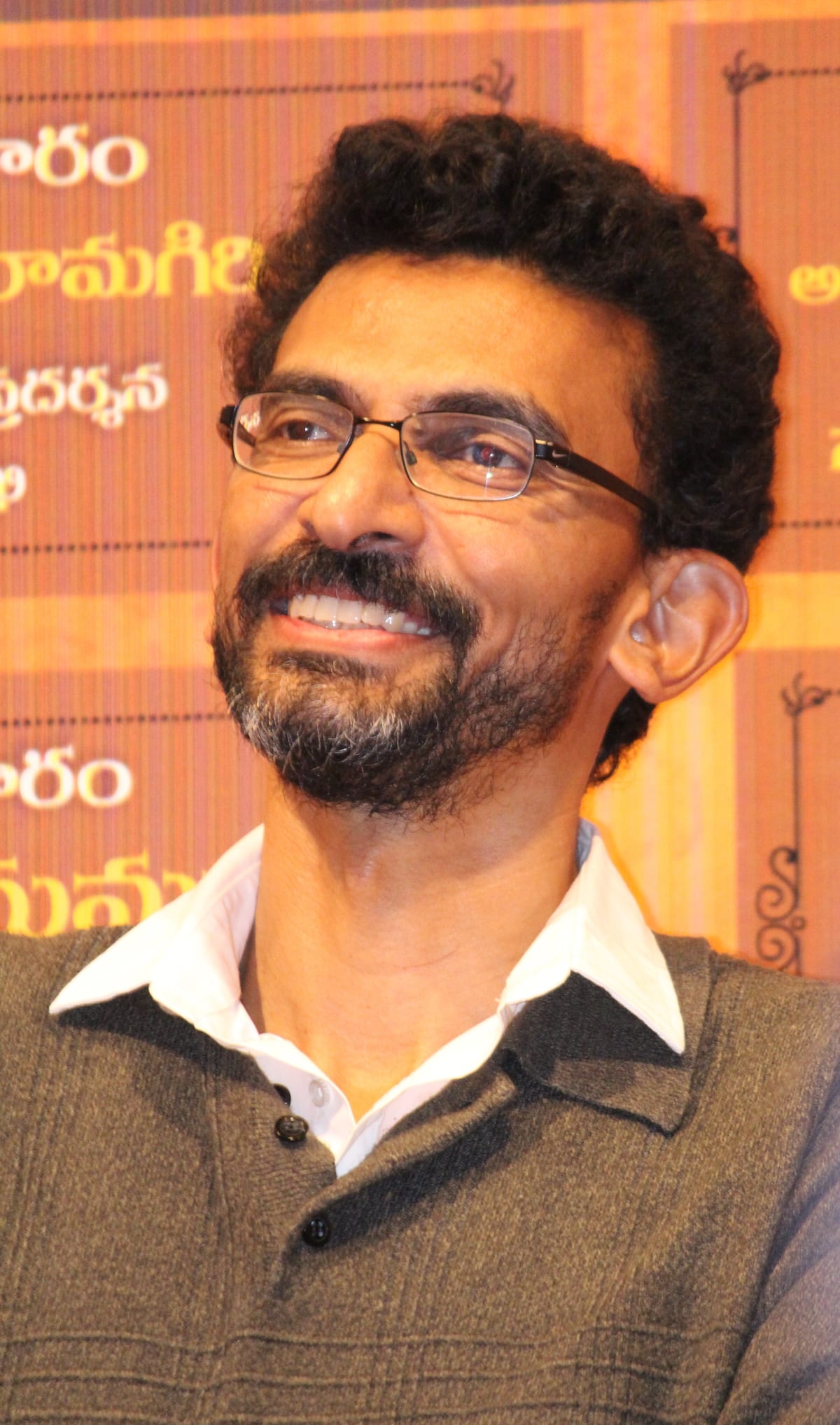
Sekhar Kammula
Subject of this story

Sai Pallavi
Mentioned in this story

Varun Tej
Mentioned in this story
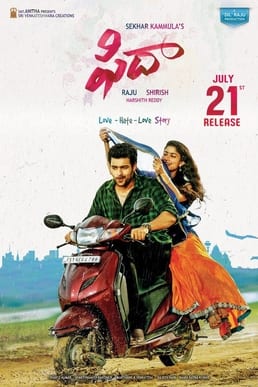

.jpg)


Subject of this story
Source evidence
Cinema Express
Retrieved 14 September 2026 · original observation preserved
Source evidence
The Indian Express
Retrieved 14 September 2026 · original observation preserved
Source evidence
The New Indian Express
Retrieved 14 September 2026 · original observation preserved
Source evidence
The News Minute
Retrieved 14 September 2026 · original observation preserved
Source evidence
Wikipedia
Retrieved 14 September 2026 · original observation preserved
Source evidence
Wikipedia
Retrieved 14 September 2026 · original observation preserved
Source evidence
Wikipedia
Retrieved 14 September 2026 · original observation preserved
Image provenance
Batthini Vinay Kumar GoudPublication eligibility is controlled by its recorded rights decision.