Published
The reported ₹2 crore ad Sai Pallavi said no to
Sai Pallavi confirmed she rejected a fairness-product endorsement and explained the decision through her own experience with colour insecurity. The reported ₹2 crore price tag made the refusal headline news.
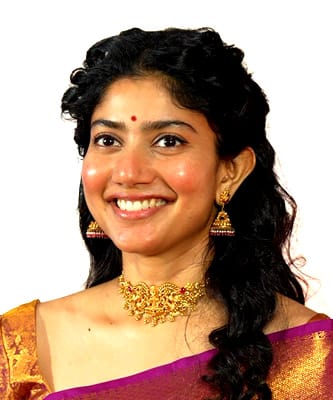
In 2019, one of the most widely repeated stories about Sai Pallavi was not about a movie she had signed.
It was about an advertisement she had refused.
Reports said a fairness-cream brand had offered the actor roughly ₹2 crore for an endorsement. Sai Pallavi later confirmed that she had turned down a fairness-product advertisement and publicly explained why: she did not want to reinforce the idea that women needed lighter skin to feel acceptable.
The amount should be handled carefully. It was reported by publications including India Today and NDTV as a ₹2 crore offer; Chitram does not have the original commercial contract and should therefore describe the figure as reported, not audited fact.
The refusal itself, however, was not anonymous gossip. Pallavi discussed it.
The decision matched an image audiences already knew
By 2019, Sai Pallavi’s public image was unusually tied to appearing with minimal makeup and visible natural skin.
Chitram’s Genesis Data already places her in Premam and Fidaa, two films central to the early phase of her career. India Today’s reporting on the endorsement story specifically connected the decision to the confidence she developed after audiences accepted her appearance on screen.
That context is important because the refusal did not arrive as a random moral statement attached to a celebrity.
It reinforced a screen persona that audiences had already seen.
Her explanation was about the effect of the message
India Today and NDTV both reported comments from Pallavi explaining that the issue was not simply that she personally did not use much makeup.
She described seeing her younger sister compare their complexions and internalize the idea that being lighter would be better. Pallavi said that experience made her uncomfortable with participating in advertising that could deepen the same insecurity in other women.
That is the strongest part of the story.
Chitram does not need to praise her as uniquely ethical or imply that every actor who accepts a cosmetics endorsement is doing something wrong. It can record the narrower, sourced fact: Pallavi said this particular category of advertising conflicted with what she wanted to communicate about skin colour and confidence.
A ₹2 crore headline needs a provenance label too
The entertainment press naturally led with the money.
Indian Express first reported in April 2019 that Pallavi had reportedly turned down a ₹2 crore fairness-cream deal. In May, India Today and NDTV covered her subsequent explanation and confirmation that she had refused the advertisement.
Those pieces are related but not identical evidence.
The initial monetary figure is a reported offer value. Her later comments establish the refusal and her reasoning. Unless an original offer document or brand statement is produced, Chitram should not transform the reported ₹2 crore into a contract-grade financial fact.
This is the same discipline Chitram applies to box office: preserve who reported what.
The unusual part was that the refusal became brand-building without a brand
Celebrity endorsements are normally designed to transfer a star’s image to a product.
Here, the reverse happened. By refusing the product category and explaining the refusal publicly, Pallavi strengthened an existing image of herself without attaching it to a commercial campaign.
That is what makes this an unusual business story rather than a scandal — Pallavi was not accused of anything. The unusual event is the business decision itself and the cultural argument around colourism that made the decision newsworthy.
The brand is not named here, because the credible reports do not establish an authoritative brand identity.
The decision fits a longer career record
Genesis connects the endorsement moment to actual film history instead of leaving it as a social-media anecdote.
Premam is present as a 2015 movie credit. Fidaa follows in 2017. Later Telugu credits continue through films including Love Story and Virata Parvam. That continuity matters because the fairness-ad story became one public marker inside a sustained acting career rather than a substitute for one.
The editorial value is in the tension: a star with growing commercial visibility was reportedly offered a large fee to sell a beauty standard, and she publicly explained why she did not want the money.
No fabricated outrage is needed.
The record already contains the click-worthy part.
In the database
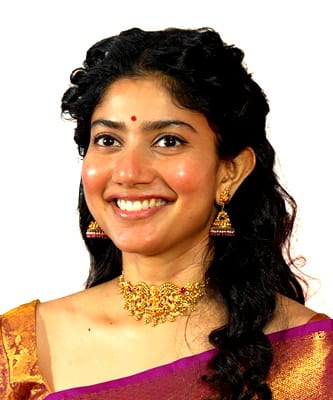
Sai Pallavi
Subject of this story

Subject of this story

Mentioned in this story

Mentioned in this story

.jpg)


Mentioned in this story
Source evidence
India Today
Retrieved 14 September 2026 · original observation preserved
Source evidence
The Indian Express
Retrieved 14 September 2026 · original observation preserved
Source evidence
Wikipedia
Retrieved 14 September 2026 · original observation preserved
Image provenance
Bollywood HungamaPublication eligibility is controlled by its recorded rights decision.